
Essential Pool Party Safety Guidelines for Families
- 1 day ago
- 4 min read
Pool parties are a fantastic way for families to enjoy warm weather, create lasting memories, and have fun together. However, they also come with safety risks that parents must address to keep everyone protected. Every year, thousands of children face accidents around pools, many of which could be prevented with the right precautions. Knowing and applying pool party safety tips is crucial for parents who want to ensure a fun and secure environment for their kids and guests.
This guide covers practical, easy-to-follow safety guidelines that every parent should know before hosting or attending a pool party. From supervision strategies to emergency preparedness, these tips will help you create a safe space where everyone can relax and enjoy the water.
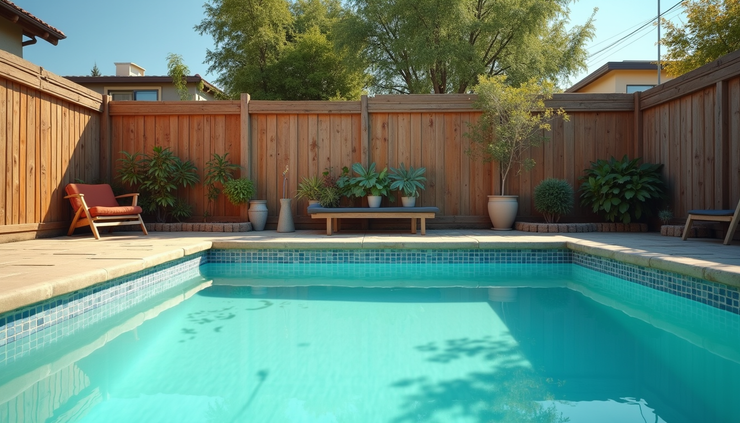
Backyard pool equipped with safety barriers and clear water ready for a family pool party
Keep Constant Supervision
The most important rule for pool safety is never to leave children unattended near water. Drowning can happen quickly and silently, even in shallow water. Parents should assign a responsible adult to watch the pool area at all times during the party. This person should avoid distractions like phones or conversations and focus solely on monitoring the swimmers.
For larger gatherings, consider a rotation system where adults take turns supervising. This ensures fresh eyes and reduces the chance of lapses in attention. If possible, hire a certified lifeguard for extra safety, especially when many children are present.
Establish Clear Pool Rules
Setting clear rules before the party starts helps prevent risky behavior. Make sure all children and adults understand and agree to the guidelines. Some essential rules include:
No running or rough play near the pool edge
No diving in shallow areas
No swimming alone; always have a buddy
No pushing or dunking others underwater
Use flotation devices only as intended
Post the rules visibly near the pool and remind guests periodically. Consistent enforcement helps maintain a safe environment.
Use Proper Safety Equipment
Safety equipment can prevent accidents or reduce their severity. Make sure the pool area has:
Life jackets or approved flotation devices for non-swimmers or weak swimmers
A reaching pole or shepherd’s hook to assist someone in trouble
A life ring or throwable flotation device
A first aid kit stocked with essentials like bandages, antiseptic, and scissors
Parents should encourage children who are not confident swimmers to wear life jackets. Avoid inflatable toys as substitutes for life jackets since they do not provide reliable safety.
Secure the Pool Area When Not in Use
Preventing unsupervised access to the pool is vital. When the pool is not in use, make sure it is securely fenced with a self-closing, self-latching gate. Pool covers can add an extra layer of protection but should never replace fencing.
If you have young children, consider installing door alarms or pool alarms that alert you if someone enters the pool area unexpectedly. These measures reduce the risk of accidental falls into the water.
Teach Children Basic Water Safety Skills
Teaching children how to behave safely around water and basic swimming skills can save lives. Enroll kids in swimming lessons appropriate for their age and skill level. Many community centers and swim schools offer classes that include water safety education.
Children should also learn how to float, tread water, and get to the pool edge safely. Knowing how to call for help and understanding pool rules builds confidence and reduces panic in emergencies.
Prepare for Emergencies
Even with precautions, accidents can happen. Being prepared can make a critical difference. Parents and hosts should:
Learn CPR and basic first aid for drowning and choking emergencies
Keep emergency phone numbers, including local emergency services, posted near the pool
Have a charged phone nearby to call for help quickly
Know the location of the nearest hospital or urgent care center
Practice emergency drills with family members so everyone knows what to do if someone is in trouble.
Monitor Weather and Water Conditions
Weather can affect pool safety. Avoid swimming during thunderstorms or heavy rain due to the risk of lightning strikes. Also, check the water temperature; very cold water can cause shock or cramps.
Keep the pool clean and clear. Cloudy water makes it difficult to see swimmers underwater, increasing the risk of unnoticed accidents. Regularly test and balance pool chemicals to prevent skin and eye irritation.
Manage Alcohol Consumption Responsibly
Alcohol impairs judgment and reaction time, increasing the risk of accidents around the pool. Adults should drink responsibly and avoid swimming if they have consumed alcohol.
If alcohol is served at the party, designate sober adults to supervise swimmers and handle emergencies. This helps maintain a safe environment for everyone.
Plan Activities to Keep Kids Engaged
Bored or restless children may take unnecessary risks near the pool. Plan structured activities to keep kids entertained and focused. Games like pool volleyball, relay races, or water balloon tosses provide fun while encouraging safe behavior.
Provide shaded rest areas and plenty of water to keep guests hydrated and comfortable. When children are engaged and supervised, the chance of accidents decreases.


